
Dyslexia Assessments
What is dyslexia?
Dyslexia is defined by The Delphi Dyslexia Study (2024) as a set of processing difficulties that affect the acquisition of reading and spelling. The most commonly observed difficulty in dyslexia is a difficulty with phonological processing (manipulating, recalling and using sounds). However, working memory, processing speed an orthographic skills can also contribute to the impact of dyslexia.
Dyslexia is a type of specific learning difficulty (SpLD) and can affect learners of all ages and from all backgrounds including those with an average, below average or an above average level of intelligence. Dyslexia impacts each individual differently leading to different strengths and weaknesses that can be explored through the assessment process.
The neurodevelopmental disorder, dyslexia is believed to impact approximately 10% of the population and can co-occur with other difficulties. It also has a strong genetic link and typically runs in families.
Signs of Dyslexia
Difficulties in Reading and Writing
Lack of fluency in reading
Difficulties in rhyming
Poor phonological awareness
Unusual spelling patterns
Letter reversals
Difficulties in handwriting
Struggles to take notes and write sufficient quantity
Behaviours
Easily distracted
Seems not to listen
Disruptive or withdrawn in class
Excessively tired after school
Organisational Difficulties
Disorganised - finding it hard to remember day to day tasks and normal routines
Struggles to manage organisation of homework especially in secondary
Difficulty telling the time
Trouble remembering days of week, months of year, seasons or times tables.
Confuses left and right
Diagnostic Assessment for Dyslexia
Having an assessment for dyslexia can help everyone (child, parent and teacher) understand the strengths and difficulties of the individual.
The outcomes from the assessment can help teachers provide a tailored approach to learning and can provide strategies for children to maximise opportunities in everyday life.
The diagnostic assessment of dyslexia, for children aged 8-16 years, will ensure your child gains the necessary access arrangements for future examinations at school, college and university and may support them moving forwards into employment.
An outline of the assessment process is shown below, however please do not hesitate to contact me for more information or to book an assessment.
Cost of a diagnostic assessment is £500.
A combined dyslexia and dyscalculia assessment can be completed for £700.
You also have the option of adding an equine assisted learning session into the assessment process. This can break up the assessment and provide a unique and active brain break for the learner. Please contact me to discuss this option.
Before
I am happy to arrange a call or meeting prior to the assessment to discuss the individual's needs and answer any questions you may have.
Once an initial conversation or email has agreed the date for assessment and the £100 deposit has been paid, I will send a parental and school questionnaire. This starts the assessment process.
The questionnaires help gather the background information and it is essential these are returned at least 48 hours before the assessment. This allows for thorough preparation and helps ensure a detailed report.
During
The assessment process takes approximately 3 hours and starts with a meet and greet to ensure everyone feels relaxed. Parents are then asked to leave and I will call once the assessment is complete.
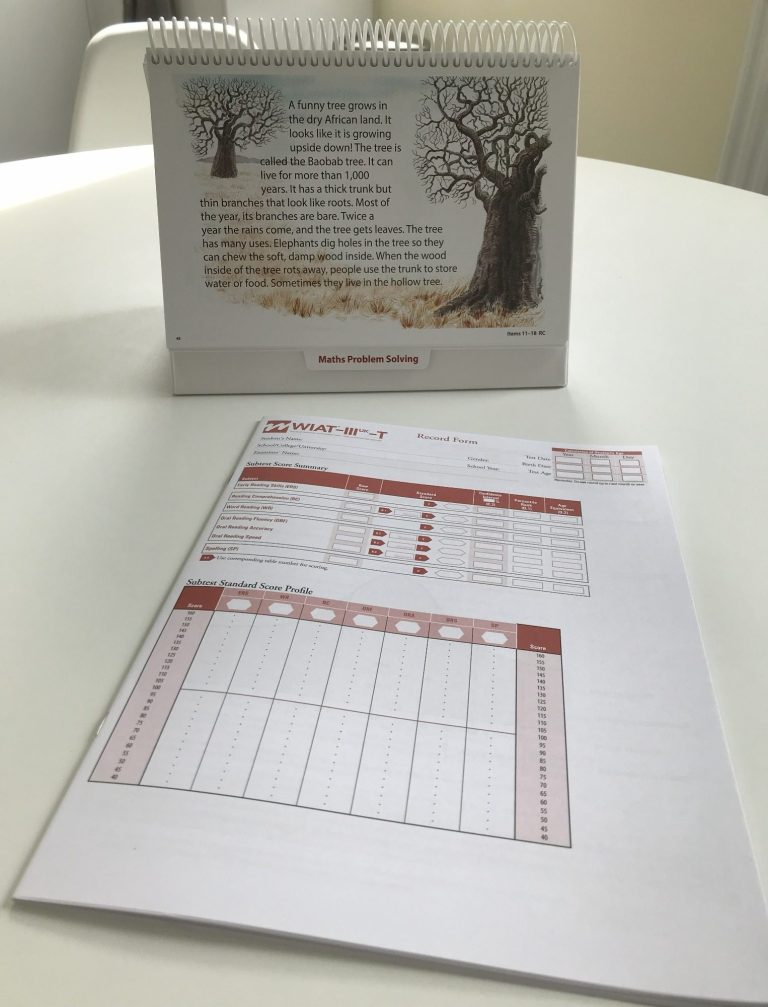
The assessment focuses on 3 areas:
- Ability - Assessing both visual and verbal
- Attainment - Assessing reading accuracy and comprehension, spelling and writing
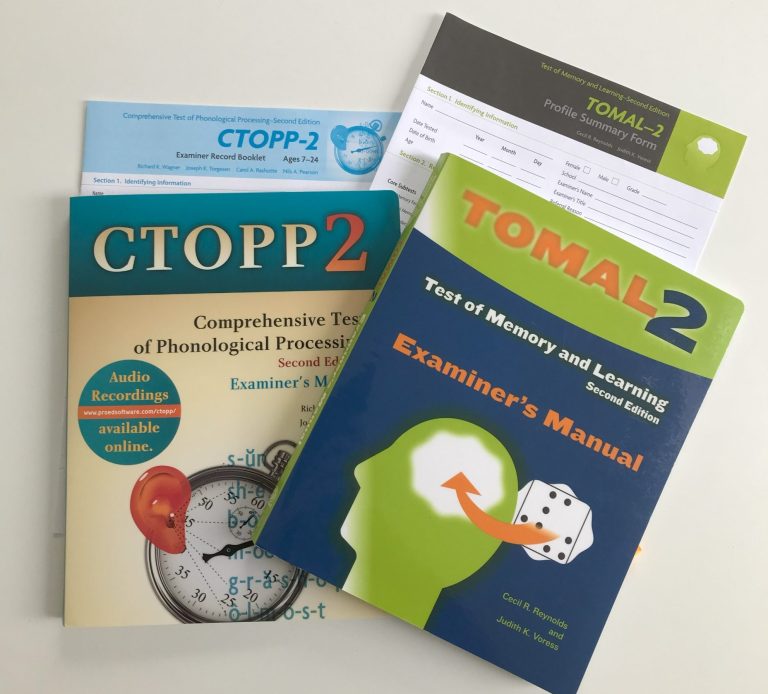
- Diagnostics - Phonological awareness and memory tests.
Where children have difficulties with Mathematics assessments can also include tests in fluency, numeracy and maths problem solving.
If your child wears glasses, it is essential they bring them to the assessment. They are also welcome to bring a snack if required.
After
Within 21 days of the assessment, you will be invoiced for the remaining cost of the assessment. On payment of this, you will receive your child's report determining whether or not they are dyslexic. The thorough report will detail their strengths and weaknesses and make detailed recommendations for support. The advice may also include referral to another professional. All reports are written in accordance with SASC guidelines. For further details please see: http://www.sasc.org.uk/
I warmly welcome the opportunity to meet or discuss the report in full at this time.
I am also happy to meet with your child's school and talk through the findings, though this would incur an additional charge.
Book an Appointment
Non-Diagnostic Assessments
Designed for guiding primary aged children 5 years and over who are not yet old enough for a diagnostic assessment or to gain additional evidence to support an EHCP application
2 Hour Assessment
A 2 hour assessment highlights strengths and areas for development and provides a clear report indicating the specific next steps for teaching and learning. The assessment can be coupled with a teaching programme but will not provide access arrangements or a life long diagnosis that the full diagnostic assessment offers.
Support an EHCP application
The focused assessment provides schools with clear and effective evidence for an Education Health Care Plan application.
Aged 5 or Over
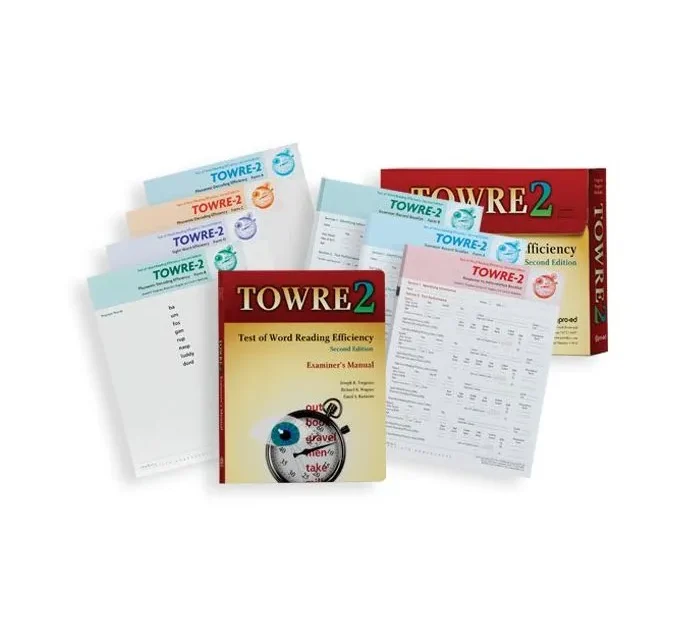
The non-diagnostic assessment can be carried out from the age of 5. Assessments used can depend on the areas identified in the parental and school questionnaires.
Timed to Suit You
A non-diagnostic assessment can take place within school hours or once the school day is completed. Options are also available for weekends or school holidays.